

Solar Flood Light vs AC Flood Light — Full Comparison
Introduction
Solar flood light vs ac flood light — full comparison. Outdoor lighting plays an essential role in residential, commercial, and industrial environments. Because technology continues to evolve, buyers now have two major options: solar flood lights and AC-powered flood lights. Both systems serve similar purposes, yet their performance, installation requirements, long-term costs, and ideal applications differ significantly. Understanding these differences is crucial, especially if you are planning a new outdoor lighting project for your home, garden, warehouse, or parking lot.
This comparison guide explains every important factor clearly. It helps you evaluate brightness, efficiency, cost, and reliability while offering additional internal links to related articles within the Solar Flood Light Content Cluster. If you want a broader overview of solar lighting systems, you may start with the Ultimate Guide to Solar Flood Lights 2025.
1. Power Source and Energy Consumption
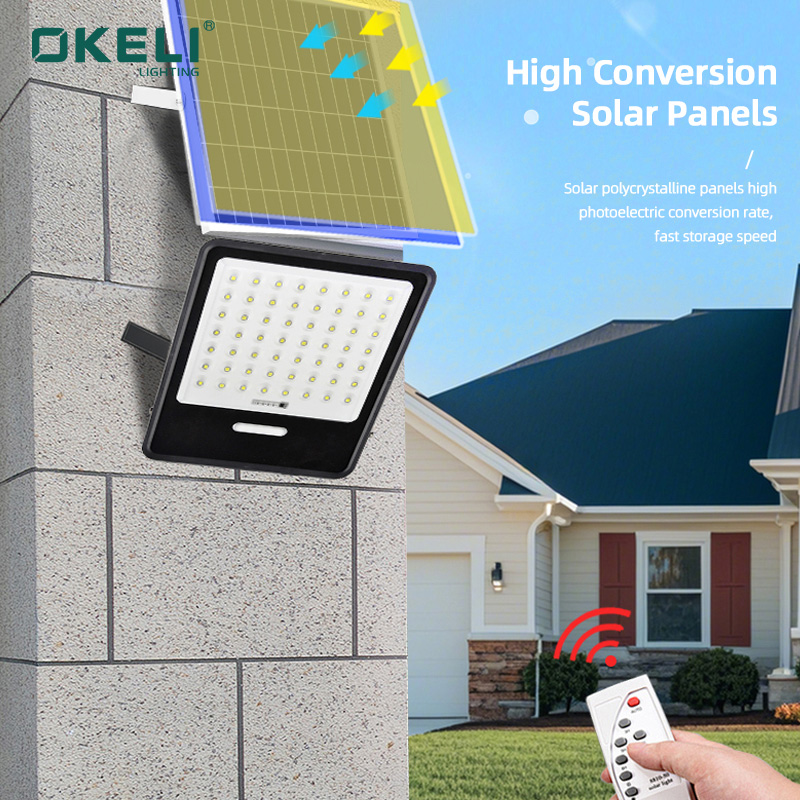
The most obvious difference between the two lighting systems lies in how they receive power. Solar flood lights rely entirely on sunlight, which means they generate electricity through photovoltaic panels. Because they operate without wiring or external electricity, they offer true energy independence. As a result, they eliminate electricity costs and reduce carbon emissions.
AC flood lights, on the other hand, connect directly to the power grid. Although they deliver stable performance regardless of weather conditions, they require wiring, electrical installation, and continuous energy consumption. Users must also consider fluctuations in electricity rates, especially in commercial applications where lights operate for long hours.
2. Brightness and Lumen Output
Brightness is one of the most common comparison points. AC flood lights traditionally deliver higher lumen output because they draw power directly from electrical cables. However, modern solar flood lights in 2025 have improved significantly. Because manufacturers like OKELI Lighting use high-efficiency LED chips and large-capacity batteries, solar models now offer lumen outputs that meet or even exceed many AC units.
Users who need extremely high brightness for industrial or sports applications may still prefer AC-powered flood lights. Yet, for gardens, driveways, or building exteriors, solar flood lights provide more than enough illumination. If you want to explore the brightness difference between various solar wattages, the article Top 10 Solar Flood Lights for Outdoor Use 2025 provides clear examples.
3. Installation Process and Flexibility
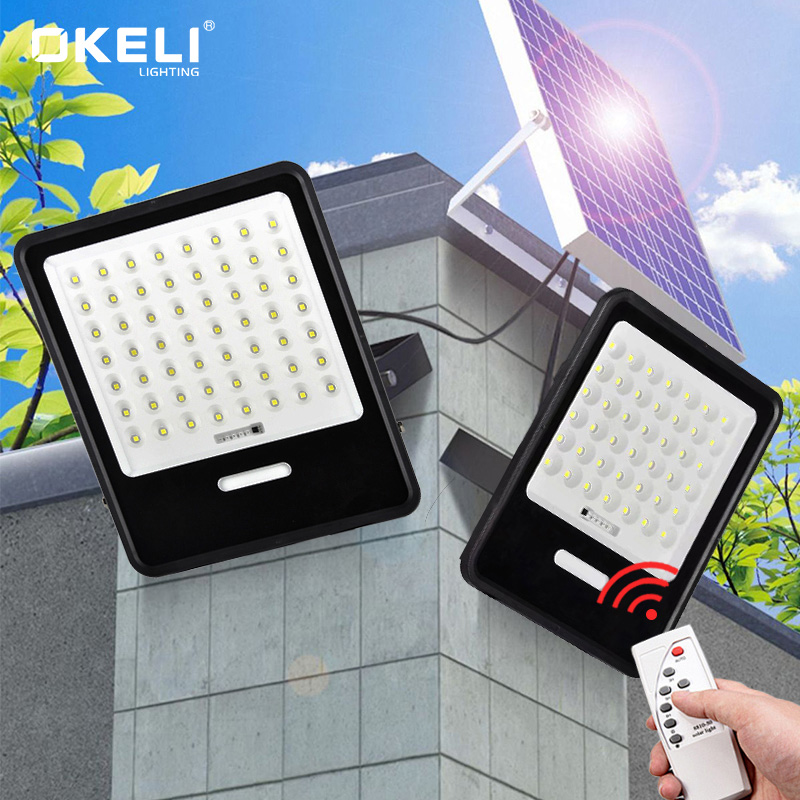
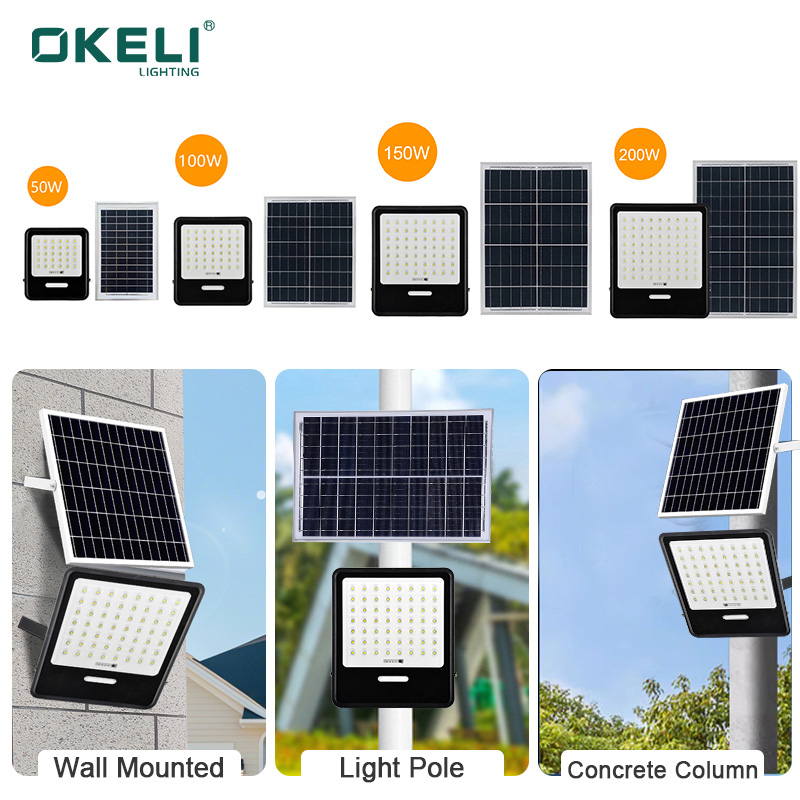
Installation is another major difference between the two systems. Solar flood lights require no wiring, switches, or electricity connections, which makes installation fast and beginner-friendly. Because the solar panel and light are independent units connected by cables, users have flexible placement options. This is especially beneficial for large gardens, remote areas, and locations without power outlets.
AC flood lights require wiring done by a professional electrician. This involves drilling, cable routing, and connection to electrical panels. Although this provides stable performance, it raises installation costs and limits flexibility. You may also need additional waterproofing for outdoor cables.
4. Long-Term Operating Costs
Solar flood lights operate at zero electricity cost. Because they rely on renewable energy, running expenses remain free for the entire lifespan of the light. Users may only need to replace the battery after several years, depending on usage frequency and battery type.
AC flood lights generate ongoing electricity costs. High-wattage models running for multiple hours per day can significantly increase monthly bills. Although bulbs and drivers may last long, electricity consumption accumulates over time, especially in commercial environments. Therefore, solar flood lights provide a more economical option in the long run.
5. Durability and Weather Resistance
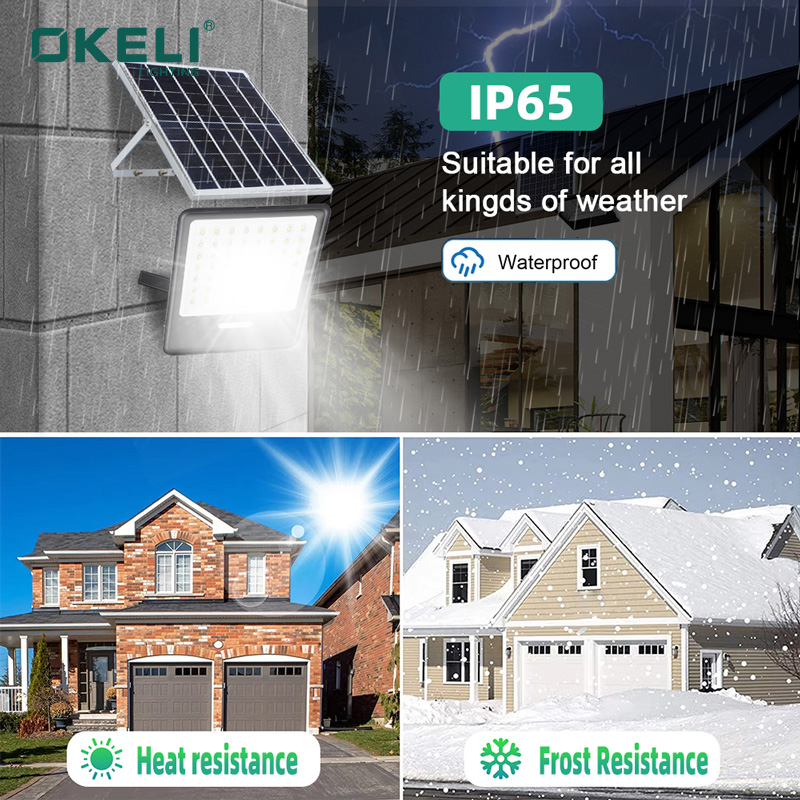
Both solar and AC flood lights can be durable, depending on material quality. Premium solar lights often use aluminum alloy housings, high-efficiency waterproof seals, and corrosion-resistant materials to withstand harsh weather conditions. Because they contain fewer exposed wires, solar units are less vulnerable to rain or moisture.
AC flood lights also offer strong durability, yet the wiring and connectors must be protected from environmental damage. Poor installation or exposure to moisture may cause short circuits or performance issues. Weather resistance depends largely on installation quality and protective coverings.
6. Maintenance Requirements
Solar flood lights require minimal maintenance. Users may occasionally clean the solar panel to improve charging efficiency. Because the components are integrated, there are fewer parts that can fail. Battery replacement might be necessary every three to eight years, depending on battery type and charging cycles.
AC flood lights require more frequent inspections. You may need to check wiring, connectors, or switches to ensure stable operation. Outdoor electricity exposure increases the risk of damage, and professional maintenance may be necessary when lights malfunction.
7. Application Scenarios
Solar flood lights excel in the following situations:
- Gardens and landscapes
- Driveways and pathways
- Farm areas or rural environments
- Parking lots without stable electricity
- Temporary outdoor events
- Residential walls and fences
- Remote locations
AC flood lights perform better for:
- Stadiums and sports courts
- Warehouses and industrial facilities
- Building façade lighting requiring extreme brightness
- Sites where consistent lighting is required regardless of weather
If your main focus is garden or home lighting, solar flood lights will likely meet your needs. Users who want to explore a complete selection of outdoor solar flood lights can browse the OKELI Lighting Solar Flood Light Product Category Page.
8. Environmental Impact
Solar flood lights offer a clear advantage in sustainability. Because they run on renewable energy, they help reduce carbon emissions and lower the environmental footprint. They operate quietly and do not rely on fossil fuel–generated electricity.
AC flood lights depend on grid energy, which often comes from nonrenewable sources. Although they still offer long lifespan and efficiency when using LED chips, their energy consumption impacts the environment more than solar units.
9. Cost Comparison: Short-Term vs Long-Term
Solar flood lights often cost slightly more upfront due to the inclusion of a solar panel and battery. However, they eliminate wiring and installation costs entirely. After installation, the ongoing expenses remain zero for the entire lifespan.
AC flood lights cost less initially but require professional installation and generate continuous electricity bills. Over time, total ownership cost becomes significantly higher than solar solutions. For homeowners or businesses seeking long-term savings, solar flood lights offer the most cost-effective approach.
10. Which Option Should You Choose?
Choosing between solar and AC flood lights depends on your application, budget, and lighting goals. For most homeowners, solar flood lights deliver enough brightness, require no electricity bills, and offer flexible installation. They also enhance outdoor aesthetics with clean energy solutions.
For large commercial or industrial settings where extreme brightness is essential, AC flood lights remain a strong choice. You may want to compare technical details in the Ultimate Guide to Solar Flood Lights 2025 to better understand performance differences before making a final decision.
Internal Links for Deeper Exploration
To help readers navigate the entire Solar Flood Light Content Cluster, here are recommended related articles:
Recommended Product Page
If you want to explore high-performance wattage options, visit the OKELI Lighting Solar Flood Light Product Category Page, where you can compare multiple models designed for outdoor residential and commercial applications.
Both solar and AC flood lights play an important role in modern outdoor lighting. Yet, their differences in installation, cost, maintenance, and energy consumption make each system suitable for different situations. Solar flood lights continue gaining popularity in 2025 because of their eco-friendly design, zero electricity cost, and flexible installation. AC flood lights remain essential for high-brightness environments that require stable power. Understanding these differences helps you make the right decision for your lighting project, whether you are upgrading your garden, securing your driveway, or illuminating a large facility.
Related Products


Author introduction

Dear Customer:
My name is Raymond, Sales Director at Okeli Lighting. With 10+ years of dedicated expertise in the LED lighting industry, I bring the technical acumen and market insights to elevate your projects. Expert in street light system configuration, lighting design and flood light technology support. Feel free to contact me. I’m happy to provide you with the best service and products


